
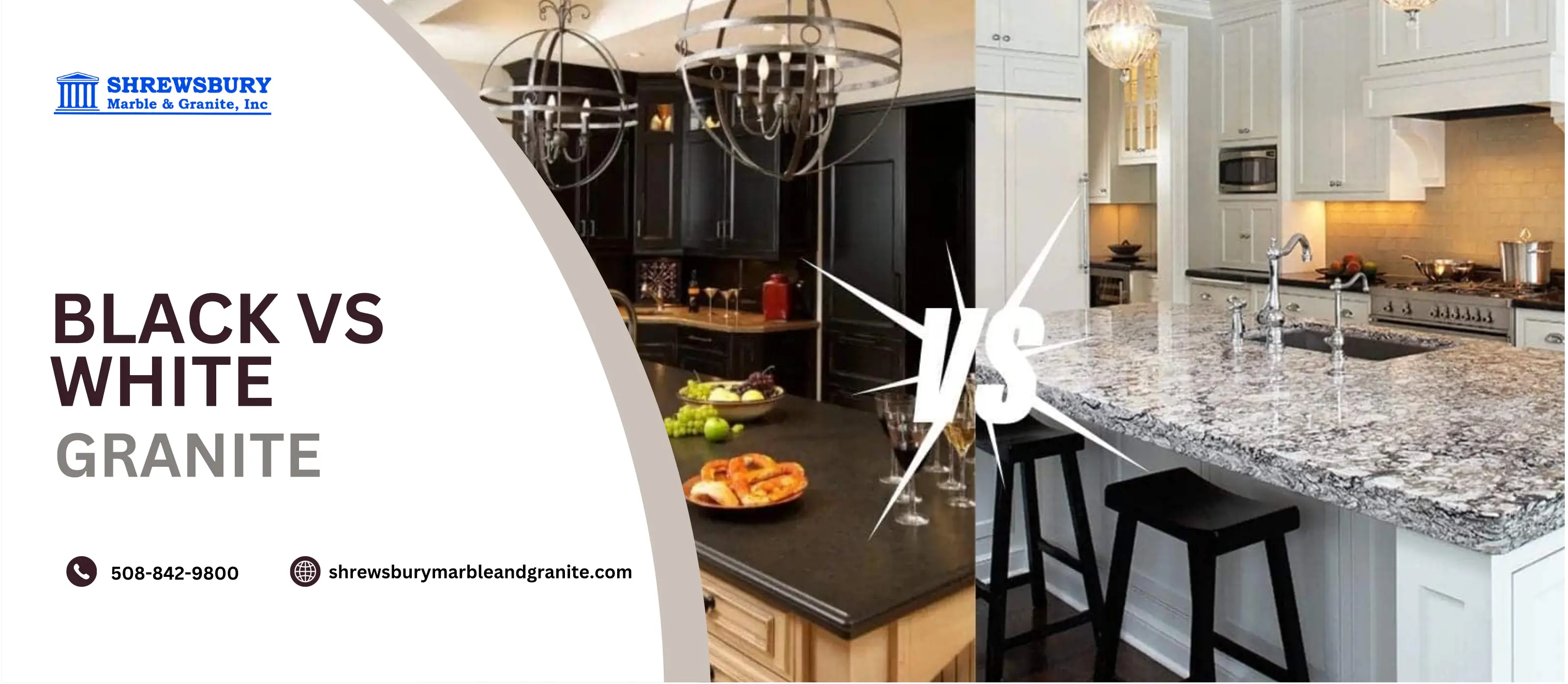
Current interior design projects show a strong preference for high-contrast stone materials in residential cooking spaces. Property owners frequently debate the merits of dark versus light slabs during the initial design phase. When homeowners search for granite kitchen countertops, they often see countless design options but very little guidance on how each material performs in daily use. Through our work in the stone fabrication industry, we regularly see how families approach countertop selection. Dark and light granite slabs have different characteristics that affect daily kitchen use. We will review the functional realities of these two popular choices to help determine the proper fit for your residence.
1. Introduction
2. What Makes Black Granite a Smart Choice for Modern Kitchens?
3. How Does White Granite Transform Small Kitchen Spaces?
4. Which Color Adds Better Resale Value to Your Home?
5. How to Select the Right Stone for Your Daily Usage?
6. Now Get Premium Marble and Granite Slabs for Your Project
7. Frequently Asked Questions
Dark natural stone creates a strong visual anchor in the kitchen. Black granite features an exceptionally dense mineral structure, rendering it highly resistant to physical wear and daily impact. Because of this density, the stone absorbs very little liquid, preventing red wine spills or cooking oils from staining the surface. Many property owners select dark countertops specifically because they conceal accidental smudges and regular dust accumulation extremely well.
Many kitchen remodeling projects in Sutton, MA use dark granite to highlight large kitchen islands. Bold visual elements permit designers to experiment safely with lighter cabinet paint colors or brass hardware fixtures without overwhelming the room. You must evaluate the volume of natural sunlight entering the space, since dark surfaces absorb ambient light rapidly.
Installing a light-colored stone can make a small kitchen appear larger and brighter. White granite acts as a natural reflector, bouncing artificial light and sunlight across the area to establish a spacious atmosphere. Lighter stones typically contain beautiful flecks of quartz and feldspar that introduce subtle visual depth to the counter. Homeowners often request white slabs when working with marble and granite suppliers to brighten rooms lacking adequate exterior windows.
White surfaces immediately expose dirt and food spills, mandating swift attention after every meal preparation session. Occupants must commit to regular cleaning schedules to preserve the pristine appearance of the installed material. We can examine how these two options compare standard daily upkeep.
The differences between black and white granite can be summarized as follows:
| Feature | Black Granite | White Granite |
|---|---|---|
| Visual Space Impact | Absorbs light and grounds the room | Reflects light and expands the room |
| Stain Visibility | Hides dark spills and smudges | Shows coffee, wine, and tomato stains |
| Sealing Frequency | Requires sealing every few years | Requires annual sealing for protection |
| Dust Detection | Shows light dust clearly | Hides light dust and crumbs well |
Upgrading to natural stone countertops is often seen as a valuable home improvement. Adding genuine stone to a cooking area remains a reliable way to increase the underlying worth of a house. Buyers often appreciate the solid and durable feel of natural stone countertops during open house visits. Light slabs generally draw the highest number of potential buyers since the bright surface acts as a blank canvas for their personal belongings. Rooms featuring pale counters stand out beautifully in digital real estate photographs, pulling interested families right to the property.
Dark stone takes a different path entirely, instantly grabbing the attention of buyers hunting for sleek modern updates or bold industrial layouts. The striking visual contrast of a dark counter leaves a memorable impression during public open house events. Both material choices increase total property value when compared directly against laminate or synthetic solid surface alternatives.
The differences between black and white granite can be summarized as follows:
| Property Market Factor | Black Granite Impact | White Granite Impact |
|---|---|---|
| Buyer Demographic | Niche appeal for modern or rustic aesthetics | Broad appeal for traditional and transitional styles |
| Photography Results | Appears heavy if the room lacks proper lighting | Photographs exceptionally well in all lighting conditions |
| Design Flexibility | Pairs well with light wood and white cabinets | Pairs seamlessly with almost any cabinet color |
Picking the perfect slab requires conducting a realistic assessment of your personal household habits. Families raising young children often benefit from the easy maintenance of darker stone selections. Active cooks who frequently utilize heavy spices or dark liquids may discover that dark surfaces alleviate worries regarding permanent discoloration.
Homeowners prioritizing a spotless aesthetic generally gravitate toward white surface installations. Spotting every single spill immediately encourages rapid wiping, keeping the entire cooking zone perfectly sanitary for daily meals. Walking through a physical stone yard remains an absolute requirement before making a final selection. Holding a tiny sample block simply fails to reveal the massive mineral veins flowing across a full rock slab.
Need the best quality marble and granite? Our facility operates as a leading marble and granite supplier in Northborough, Westborough, Grafton, Millbury, Clinton, Holden, Marlborough, and Worcester, MA, taking absolute pride in procuring exceptional materials for residential projects. Walking through a proper showroom allows you to inspect unique geological formations closely while feeling the polished surfaces.
Please contact our design team today to schedule a personal viewing of our current stone inventory and discuss your upcoming kitchen renovation.
White granite remains naturally porous and readily shows dark or acidic spills upon contact. You must wipe up liquids immediately and apply sealant annually to prevent permanent marks.
Black granite features high density and resists liquid stains exceptionally well. The dark surface does highlight light dust and fingerprints, requiring routine wiping with a microfiber cloth to maintain the polish.
Dark surfaces absorb ambient light, causing enclosed rooms to feel slightly smaller visually. You can successfully offset this effect by incorporating ample artificial lighting and installing bright cabinetry below the stone.